How to Accessorize Like a Fashion Expert
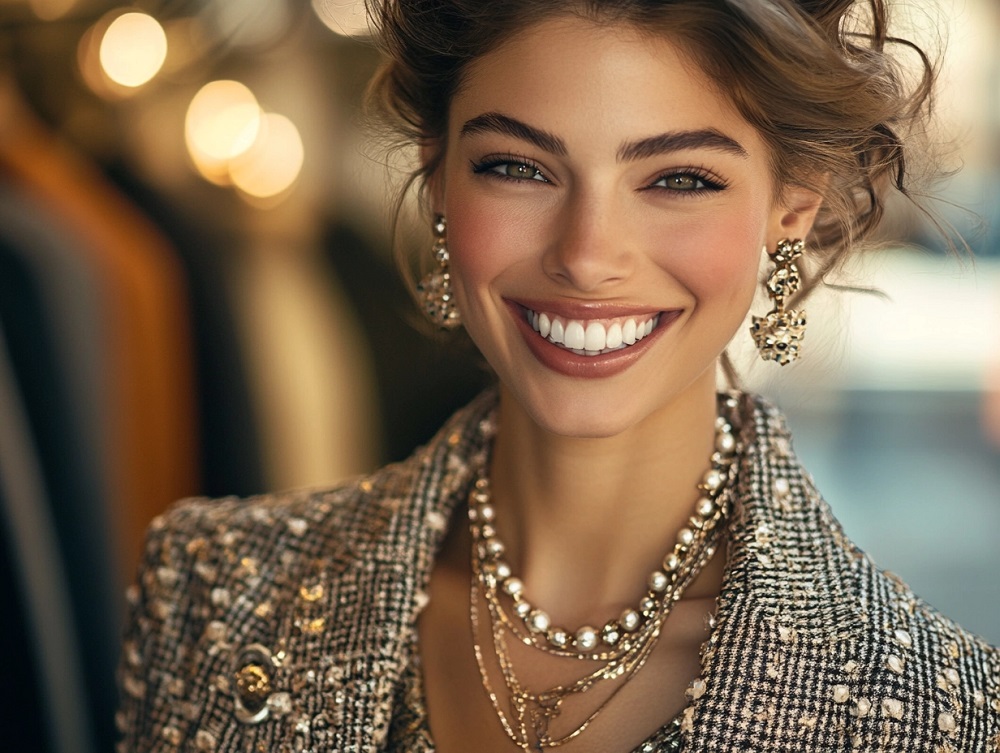
The difference between an outfit that looks ordinary and one that looks extraordinary almost always comes down to the accessories. Many individuals invest significant time and money into finding the perfect clothing items, only to leave their look feeling incomplete by overlooking the finishing touches. Accessories are not mere afterthoughts. They are the structural tools that define personal style, alter the formality of a garment, and create visual balance across your entire silhouette.
Learning how to accessorize like an expert requires shifting your mindset away from simply adding items to your outfit. Instead, it involves understanding how different elements, such as jewelry, belts, footwear, bags, and scarves, interact with the lines, colors, and textures of your apparel. With a few foundational principles, anyone can master the art of styling and transform a minimalist wardrobe into a series of dynamic, runway-worthy ensembles.
Establish a Clear Focal Point
One of the most frequent mistakes amateur stylists make is trying to wear every favorite piece of jewelry or accent item at the same time. When a statement necklace, oversized earrings, a bold belt, and a vibrant handbag compete for attention simultaneously, the eye does not know where to land. This creates visual clutter and dilutes the impact of each individual piece.
The Power of the Statement Piece
Fashion experts design an outfit around a singular hero item. A hero item is a bold accessory that commands immediate attention. If you choose to wear a dramatic, chunky collar necklace, your earrings should be minimal studs, and your clothing neckline should be relatively simple to allow the necklace to serve as the visual anchor. Conversely, if you want to showcase a pair of intricate, shoulder-grazing chandelier earrings, pull your hair back and leave your neckline completely bare.
Supporting Elements
Once your focal point is chosen, any additional accessories should serve a supporting role. They should match the tone or aesthetic of the hero piece without attempting to replicate its scale. For example, if your focal point is an embroidered, brightly colored handbag, the rest of your accessories should feature muted tones and clean lines that allow the bag to stand out as the primary pop of color.
Master the Art of Balancing Scale and Proportions
Accessorizing is inherently linked to the proportions of your physical body and the silhouette of your clothing. The scale of your accents must complement the fabric volume and the overall fit of your apparel.
Matching Fabric Weight
The weight and texture of your clothing should dictate the scale of your accessories. Light, airy fabrics like silk, chiffon, and fine linen harmonize beautifully with delicate, dainty jewelry, thin leather belts, and structured, small frame bags. If you pair heavy, thick-gauge metal jewelry with a fragile silk blouse, the metal can visually overpower and overwhelm the garment. On the other hand, heavy winter textiles like chunky cable knit sweaters, wool coats, and heavy denim require substantial accessories. Thick leather belts, bold statement rings, and oversized scarves are necessary to match the visual weight of cold weather apparel.
Framing the Silhouette
Accessories can be strategically placed to alter how your body proportions are perceived. A wide belt placed tightly around the natural waistline of an oversized dress creates an instant hourglass shape by defining your midpoint. If you are wearing a high neck turtleneck, adding a long, vertical pendant necklace creates a visual V-shape that elongates your torso and neck. Understanding these geometric interactions allows you to use styling to highlight your favorite physical attributes.
Mix Metals with Intentionality
An outdated style rule suggested that a person must strictly stick to one metal type at a time, meaning gold and silver could never cross paths. Modern fashion experts have thoroughly debunked this myth. Mixing metals is now celebrated as an excellent way to add depth, contemporary edge, and textural complexity to a look. However, doing it successfully requires deliberate coordination rather than random placement.
-
Choose a Dominant Metal: To ensure the look remains cohesive, allow one metal type to comprise roughly seventy percent of your jewelry stack. For example, make yellow gold your primary theme, and use white gold or sterling silver as the thirty percent accent color.
-
Keep the Style Consistent: When mixing silver and gold, ensure the design language of the pieces matches. Pairing a vintage, ornate gold ring with a sleek, ultra-modern geometric silver bracelet can look accidental. Instead, combine minimalist gold bands with minimalist silver bands to maintain a unified aesthetic theme.
-
Incorporate Pre-Mixed Pieces: If you feel nervous about combining different metals yourself, look for jewelry items that inherently feature two-tone or three-tone metal designs. A watch with a silver and gold links band or a woven interlocking ring naturally bridges the gap, making any other mixed-metal choices look entirely intentional.
Harness the Power of Textural Contrast
When an outfit consists of entirely flat, uniform fabrics, it can easily look dull, even if the color palette is well coordinated. Incorporating contrasting textures through your accessories is the secret technique professionals use to make monochrome or simple neutral outfits pop.
If you are wearing an all-black ensemble consisting of a simple cotton t-shirt and tailored trousers, the look can feel somewhat flat. You can elevate this instantly by introducing a glossy patent leather handbag, a matte suede pair of ankle boots, and a shiny, high-polish metal cuff bracelet. Each of these items reflects light differently. The variance between matte, glossy, and metallic surfaces creates a rich layered effect that gives the outfit a high-end, sophisticated quality without requiring a single splash of bright color.
Consider Your Footwear and Bags as Interlocking Pieces
The old-fashioned rule of perfectly matching your shoes, handbag, and belt to the exact same leather dye is no longer a requirement for everyday style. While it remains a classic choice for ultra-formal corporate settings, casual and creative styling thrives on complementary pairings rather than identical matches.
Instead of matching colors exactly, match the undertone or the vibe. If you are wearing warm cognac brown leather boots, your handbag does not need to be the same shade of cognac. It can be an olive green canvas bag with brown leather trim, or a deep espresso brown tote. The goal is to ensure the items belong to the same color family or share a similar level of casual or formal intensity. A highly structured, formal patent leather clutch will look disjointed when paired with casual, distressed canvas sneakers, regardless of whether they are the same color.
Frequently Asked Questions
How do I choose the right necklace style for different clothing necklines?
Matching necklaces to necklines is all about preventing overlap and clutter. For V-neck tops, choose an angular pendant necklace that mirrors the V-shape of the collar. For scoop necks, opt for shorter, rounded collar necklaces that sit directly on the exposed skin above the fabric. High necklines like turtlenecks look best with long, cascading opera-length chains that break up the solid block of fabric, while strapless or off-the-shoulder tops are ideal backdrops for statement chokers that draw focus up toward the face.
What is the maximum number of accessories I should wear at one time?
While there is no rigid numerical law, a reliable guideline for beginners is the rule of three. Try to limit your visible accessories to three key pieces at a time. For example, a belt, a watch, and a pair of earrings, or a scarf, a hat, and a handbag. By keeping the count to three, you ensure your outfit has enough visual interest without crossing the line into looking over-accessorized or cluttered.
How can I use accessories to transition an outfit from daytime work to night events?
The easiest way to transition a look is by swapping out your daytime supporting elements for high-impact nighttime accents. If you are wearing a neutral blazer and trousers at the office, you can leave your large work tote in your car and carry a sleek, compact clutch instead. Swap your understated daytime stud earrings for bold drop earrings, remove your office scarf to reveal a bare neckline, and change from flat loafers into a pair of sharp heels to instantly shift the energy of the entire outfit.
How do I prevent my jewelry stacks and layers from tangling during the day?
To successfully layer necklaces without them twisting together, combine chains of completely different weights, textures, and lengths. Do not layer three thin, delicate cable chains of similar lengths, as they will inevitably knot together as you move. Instead, pair a short, thick herringbone chain with a medium-weight rope chain, and finish with a long, thin box chain featuring a heavy pendant. The variance in weight and style keeps the chains separated.
Are there specific guidelines for accessorizing when you wear glasses?
When you wear eyeglasses every day, your frames should be treated as a permanent, central face accessory. If your glasses feature thick, colorful, or ornate frames, you should scale back on other jewelry items that sit close to your face, such as large hats, busy hair clips, or heavy statement earrings. Opt for delicate hoops, subtle studs, or focus your accessorizing efforts lower down on your body with rings, bracelets, and belts to avoid overcrowding your facial features.
How can I tell if an accessory is poor quality before buying it?
You can assess quality by checking the weight, hardware construction, and structural finishes of an item. High-quality jewelry feels cold and substantial rather than light and plasticky, and it should not turn skin green or show immediate plating flaking. For bags and belts, look at the stitching. High-quality items feature straight, tight, double-reinforced seams with no loose threads, and the metal zippers and clasps should glide smoothly without catching or feeling flimsy.