The Impact of Mobile Apps on Technician Collaboration
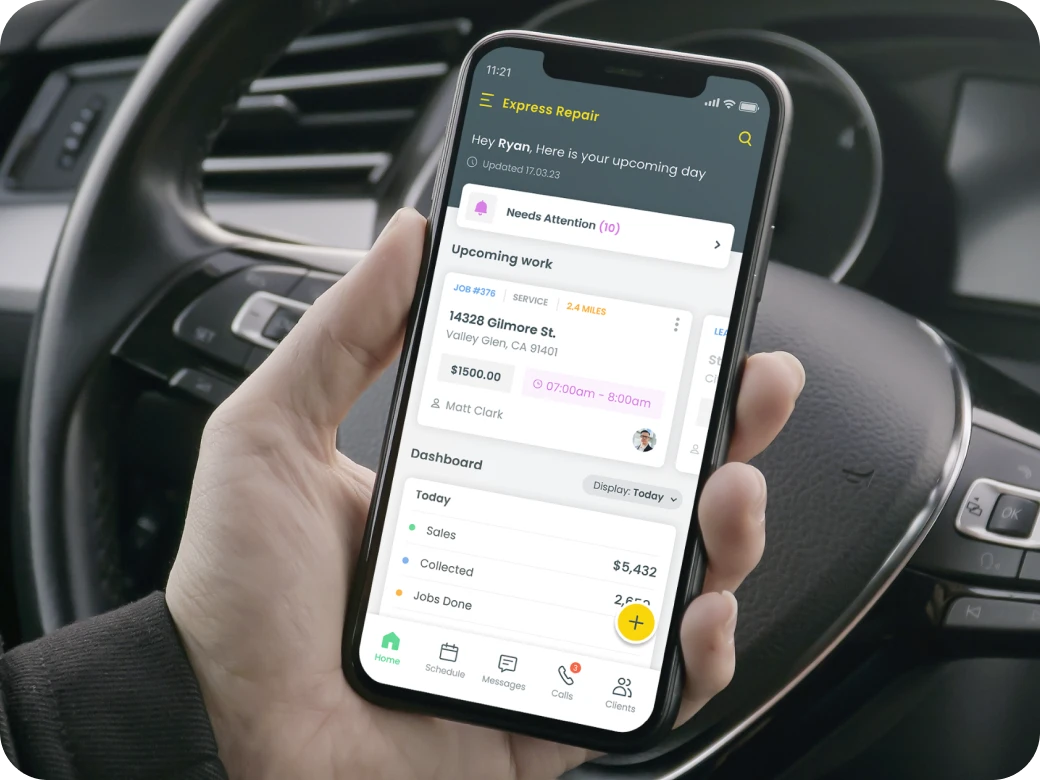
In today’s technology-driven service industry, mobile apps for technician collaboration have transformed how teams communicate, share data, and complete work efficiently. Whether it’s in automotive repair, field services, HVAC maintenance, or equipment installation, mobile technology has bridged the gap between field technicians, office staff, and customers. With businesses focusing on speed, precision, and transparency, mobile apps are no longer optional—they’re essential for creating streamlined, connected operations. Understanding the impact of these tools reveals how they’re reshaping workflows, productivity, and overall service quality across industries.
A reputable mobile application testing company supports businesses by ensuring applications function properly across multiple devices and operating systems. Testing focuses on usability, responsiveness, and security, helping organizations provide consistent user experiences while reducing the likelihood of technical issues after launch.
The Changing Landscape of Technician Collaboration
Traditionally, technician collaboration relied heavily on manual communication methods like paper work orders, phone calls, and in-person briefings. These outdated systems often led to miscommunication, job duplication, and delays in project completion. The introduction of mobile apps has completely redefined how technicians collaborate both in real time and remotely. By giving every technician access to live data, digital work orders, and instant messaging tools, teams can now operate as one cohesive unit regardless of location.
This digital transformation not only enhances teamwork but also ensures that all stakeholders—managers, technicians, and customers—stay connected through one platform.
Real-Time Communication and Coordination
One of the biggest advantages of mobile apps is real-time communication. Instead of relying on scheduled check-ins or delayed reports, technicians can communicate instantly with supervisors or peers through built-in chat or voice features.
This real-time interaction helps in several ways:
- Immediate Problem-Solving: Technicians can share photos or videos of a technical issue and receive instant feedback from experienced colleagues or remote experts.
- Job Status Updates: Each step of a repair or maintenance job can be updated in the app, allowing managers to monitor progress and allocate resources effectively.
- Emergency Collaboration: When unexpected issues arise, nearby technicians can be alerted and dispatched immediately without waiting for manual coordination.
This kind of connected communication drastically reduces downtime and improves decision-making on the job.
Centralized Access to Job Information
Technicians often waste time looking for job details, service history, or equipment manuals. Mobile apps eliminate this inefficiency by storing all necessary data in one accessible location.
Key benefits include:
- Access to Work Orders: Technicians can view assigned jobs, parts required, and instructions directly from their mobile devices.
- Service History Lookup: Apps allow quick access to a customer or equipment’s repair history, helping technicians diagnose issues faster.
- Documentation Sharing: Manuals, blueprints, and technical diagrams can be viewed or shared instantly without relying on physical copies.
By ensuring technicians have the information they need on hand, mobile collaboration tools reduce time spent on administrative tasks and allow more focus on hands-on work.
Enhanced Collaboration Across Teams
Modern service operations often involve multiple departments—scheduling, dispatch, repair, parts management, and customer support. Mobile apps facilitate seamless collaboration among these teams, ensuring everyone has visibility into the same data.
For instance, when a technician marks a job as complete in the app, the billing department is automatically notified to generate an invoice. If parts are running low, inventory managers receive instant alerts to restock. This interconnected ecosystem eliminates delays caused by manual data entry or miscommunication between departments.
Improving Technician Accountability and Transparency
Accountability plays a vital role in technician performance and overall service reliability. Mobile apps make accountability measurable by tracking activities and progress throughout each work order.
Features that promote accountability include:
- GPS Tracking: Managers can monitor technician routes to ensure efficient travel and verify on-site attendance.
- Time Logs: Apps automatically record when a technician starts and finishes a job, reducing errors in timesheets.
- Photo Verification: Technicians can upload before-and-after photos as proof of completed work, ensuring quality assurance.
Such transparency builds trust between management and field teams while giving customers confidence in the professionalism of the service.
Digital Workflows and Paperless Operations
Paper-based workflows are prone to loss, misfiling, and inaccuracies. Mobile apps digitize the entire process, from job creation to final reporting, ensuring that no data is ever misplaced.
Digital workflows offer several advantages:
- Automated Work Orders: Jobs are assigned and tracked digitally, eliminating the need for printed schedules.
- Error Reduction: Automated data entry reduces human mistakes, leading to cleaner records.
- Instant Reporting: Technicians can submit completion reports immediately after finishing a task, allowing faster billing and feedback.
Paperless systems not only save time but also reduce operational costs and environmental waste.
Integrating Mobile Apps with Shop Software
While mobile apps empower technicians in the field, their true potential emerges when integrated with comprehensive shop or business management software. This integration allows seamless synchronization between mobile data and the central system used by managers.
Here’s how integration enhances collaboration:
- Unified Data Flow: All information entered by technicians—photos, job notes, parts used—automatically updates in the main database.
- Real-Time Scheduling: When a technician becomes available, the scheduling system can instantly assign new jobs based on proximity and skill level.
- Customer Updates: As technicians progress through jobs, the system automatically sends customers status updates, ensuring transparency.
This real-time synchronization creates a frictionless workflow across the business, from dispatching to invoicing.
Boosting Productivity Through Automation
Mobile apps are more than just communication tools; they also automate routine tasks that typically slow down technicians.
Examples include:
- Automatic Job Notifications: Technicians receive alerts when new jobs are assigned or when customer details are updated.
- Digital Checklists: Predefined checklists ensure that every step of a procedure is completed accurately.
- Voice-to-Text Reporting: Instead of typing, technicians can dictate notes directly into the app for faster documentation.
By automating small but repetitive tasks, mobile technology allows technicians to focus more on their core responsibilities—diagnosis, repair, and service quality.
Improving Knowledge Sharing and Skill Development
One underrated aspect of mobile collaboration apps is their role in knowledge sharing. In complex technical environments, not all technicians have the same level of experience. Apps enable senior technicians to guide less experienced ones through real-time support and shared documentation.
For example:
- A junior technician can send images or live video to a senior colleague for quick advice.
- Apps can host internal knowledge bases or FAQs accessible to all employees.
- Recorded case studies and best practices can be shared for training purposes.
This culture of knowledge sharing not only reduces errors but also accelerates skill development within the workforce.
Enhancing Customer Interaction Through Collaboration
Customer satisfaction improves dramatically when technicians use mobile collaboration tools. With access to real-time updates and digital communication channels, technicians can keep customers informed without constant back-and-forth calls.
Advantages for customers include:
- Live Updates: Customers receive automatic notifications about technician arrival times and job progress.
- Transparent Billing: Estimates and invoices can be shared digitally for quick approval.
- Faster Service Completion: Efficient communication between technicians and support teams leads to shorter turnaround times.
This improved customer experience often translates to stronger relationships and increased loyalty.
Data Analytics and Continuous Improvement
Every interaction and task completed through mobile apps generates valuable data. By analyzing this data, managers can identify performance trends, bottlenecks, and training opportunities.
For example:
- Data can reveal which types of jobs take longer and why.
- Patterns in parts usage can guide better inventory management.
- Customer feedback collected through the app can highlight areas for service improvement.
Data-driven insights ensure that the entire organization continuously evolves and improves based on factual information rather than assumptions.
Security and Data Protection in Technician Collaboration
With sensitive customer and equipment data flowing through mobile systems, security is a key concern. Reputable mobile collaboration apps prioritize security through:
- Data Encryption: Ensuring all information transmitted between devices and servers is protected.
- User Authentication: Multi-level login systems prevent unauthorized access.
- Cloud Backup: Automatic data backup protects against data loss due to device damage or theft.
These safeguards give both technicians and managers confidence in using mobile systems for everyday operations.
The Role of Artificial Intelligence in Technician Collaboration
The next generation of mobile collaboration tools integrates artificial intelligence (AI) to enhance efficiency even further. AI-driven features can analyze job histories, recommend solutions, or predict maintenance issues before they occur. For instance, if a certain machine frequently breaks down under specific conditions, AI can alert technicians ahead of time, improving response preparedness.
Additionally, natural language processing (NLP) allows technicians to use voice commands for job updates, making mobile apps more intuitive and hands-free.
Frequently Asked Questions (FAQ)
1. How do mobile apps improve technician teamwork?
They provide real-time communication, shared job data, and instant updates, ensuring all technicians and managers work in sync.
2. Can mobile collaboration tools integrate with existing management software?
Yes. Most modern apps are designed to integrate seamlessly with shop management systems, CRM software, and inventory databases.
3. Are these apps suitable for small repair shops?
Absolutely. Mobile apps scale according to business size, making them ideal for both independent technicians and large enterprises.
4. What if a technician works in a low-network area?
Many apps offer offline modes that allow technicians to access job data and sync updates once they reconnect to the internet.
5. How does mobile collaboration affect customer satisfaction?
Customers benefit from faster service, transparent updates, and digital convenience, which enhances overall satisfaction.
6. Is there a learning curve for using mobile apps?
While some training is necessary, modern interfaces are user-friendly and intuitive, allowing technicians to adapt quickly.
7. What future trends will shape technician collaboration?
Emerging technologies like AI, augmented reality (AR), and IoT integration will further enhance real-time communication and predictive maintenance capabilities.
The rise of mobile apps for technician collaboration marks a turning point in how modern service operations function. By connecting every technician to a central digital ecosystem, these tools eliminate inefficiencies, strengthen teamwork, and deliver faster, more accurate service outcomes. For repair shops and service companies aiming to stay competitive, mobile collaboration isn’t just an advantage—it’s the foundation of next-generation operational excellence.